
Blog

Mainspring assembly - Luxury watch repair service in Miami

Energy Management in Mechanical Watchmaking: Technical Evolution and Future Direction

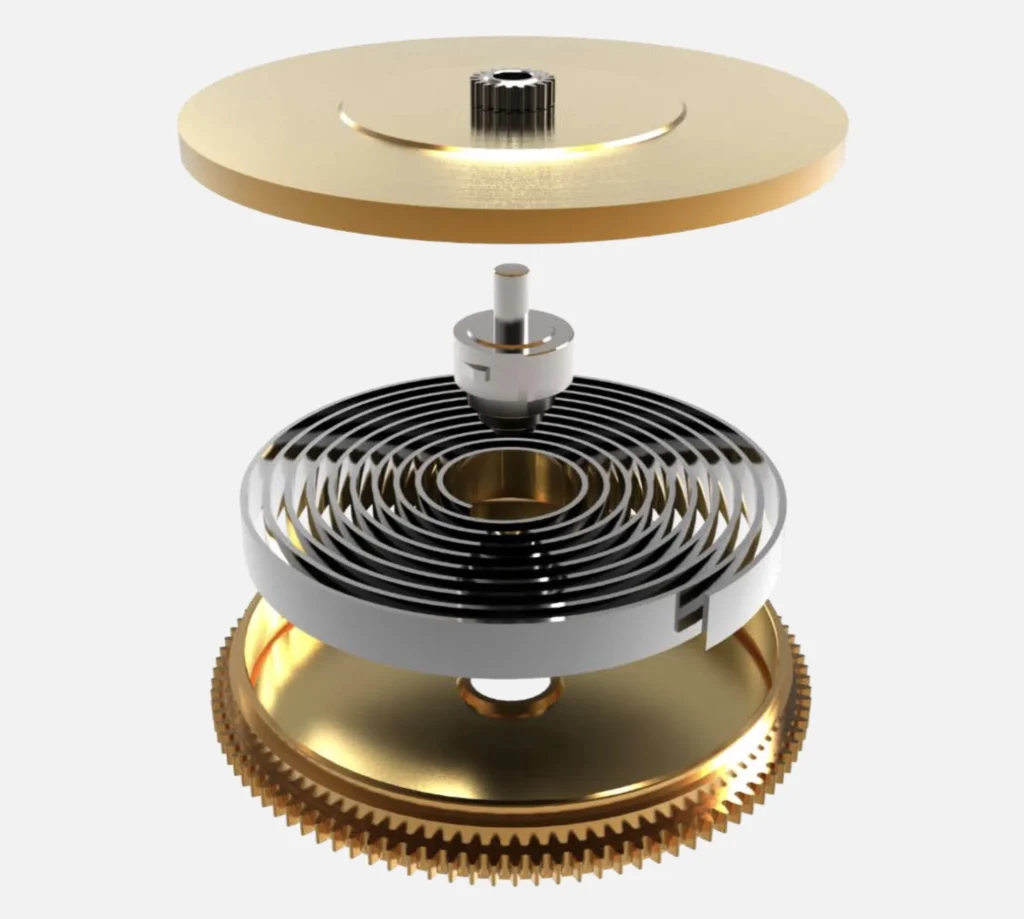
In the realm of high-end horology, energy management in mechanical watchmaking is not merely a resource—it is a closed system. Precision, reliability, and long-term chronometric performance are direct consequences of how energy is generated, stored, transmitted, and regulated. From a technical standpoint, the evolution of energy management mechanisms has been the defining factor behind the most significant breakthroughs in modern movement architecture. This article explores the transition from traditional power storage to intelligent energy management, focusing on torque stability and mechanical efficiency. The Barrel Assembly: From Passive Reservoir to Strategic Component Historically, the mainspring barrel was treated as a passive container. Modern horological engineering has transformed it into a dynamic element that dictates the movement’s rate stability. • Advanced Mainspring Metallurgy: Contemporary mainsprings utilize Nivaflex-based alloys and cobalt-chrome compositions that offer flatter torque curves and superior fatigue resistance. These alloys allow for extended power reserves (72h to 10-day calibers) without the traditional “power drop-off” that compromises isochronism. • Modular Barrel Architectures:• Series Configuration: Aimed at increasing autonomy by summing the rotation of multiple drums.• Parallel Configuration: Aimed at increasing torque (Nm) to maintain high-frequency balance wheels or drive complex complications without amplitude loss. • Efficiency Optimizations: The integration of ball-bearing […]
Read More

Chrono Sky Hosts BVLGARI Octo Finissimo Chronograph GMT Technical Training

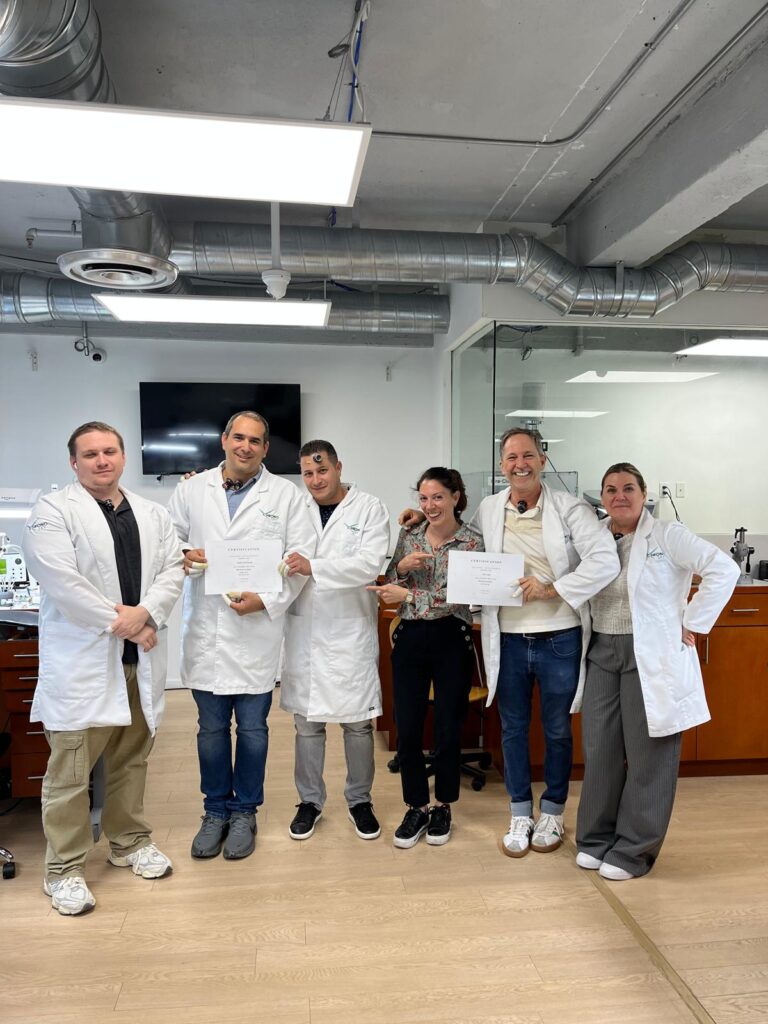
At Chrono Sky, technical excellence and continuous education are at the core of everything we do. We are proud to share that, in the last week of October 2025, we hosted and participated in the BVLGARI Octo Finissimo Chronograph GMT technical training, further strengthening our capabilities in servicing some of the most advanced ultra-thin watchmaking complications in the industry. Mastering One of Modern Watchmaking’s Most Complex Movements The BVLGARI Octo Finissimo Chronograph GMT represents a remarkable achievement in contemporary horology. Its movement combines: • An ultra-thin automatic chronograph architecture• A peripheral rotor to maximize efficiency while maintaining minimal thickness• An integrated GMT function, allowing tracking of a second time zone without compromising slimness• Extremely tight tolerances that demand exceptional precision during assembly, regulation, and servicing Servicing this caliber requires not only advanced technical knowledge, but also specialized tools, brand-specific procedures, and a deep understanding of ultra-thin movement dynamics. Even minor deviations in handling, lubrication, or torque application can directly impact chronometric performance and reliability. Investment in Skills, Training, and Authorization As part of this initiative, our watchmaker, Yuri Lopez, successfully completed and passed the BVLGARI Octo Finissimo Chronograph GMT training, confirming his proficiency in the diagnosis, disassembly, reassembly, adjustment, and […]

Read More
Watchmaker performing modern micro-regulation on a mechanical watch balance wheel

Modern Micro-Regulation: How New Technologies Are Redefining Precision Adjustment in Mechanical Watchmaking

For generations, precision regulation in mechanical watchmaking has been regarded as one of the most refined skills of the craft. An experienced watchmaker does not merely adjust a movement; he or she interprets it—analyzing amplitude, positional behavior, daily rate stability, and the movement’s response to external influences such as temperature variation, magnetism, and shock. This tradition forms the foundation of modern micro-regulation in mechanical watchmaking, where human expertise remains invaluable as a testament to the artistry of horology. Today, that expertise remains essential, but watchmaking has entered a new, technologically advanced phase. Modern micro-regulation in mechanical watchmaking represents a profound evolution of fine adjustment, driven by cutting-edge advances in engineering, materials science, and component design. The result is a level of precision that is fundamentally more stable, predictable, and durable—effectively reshaping and elevating traditional chronometric standards. From Artisanal Adjustment to Engineering-Assisted Precision: A Paradigm Shift In classical watchmaking, rate adjustment relied primarily on the index regulator system. This traditional method alters the effective length of the hairspring via curb pins, much like adjusting the length of a pendulum. While this method delivered acceptable precision for decades, it introduced inherent physical limitations: • Distortion of the hairspring’s natural geometry: The physical […]

Read More